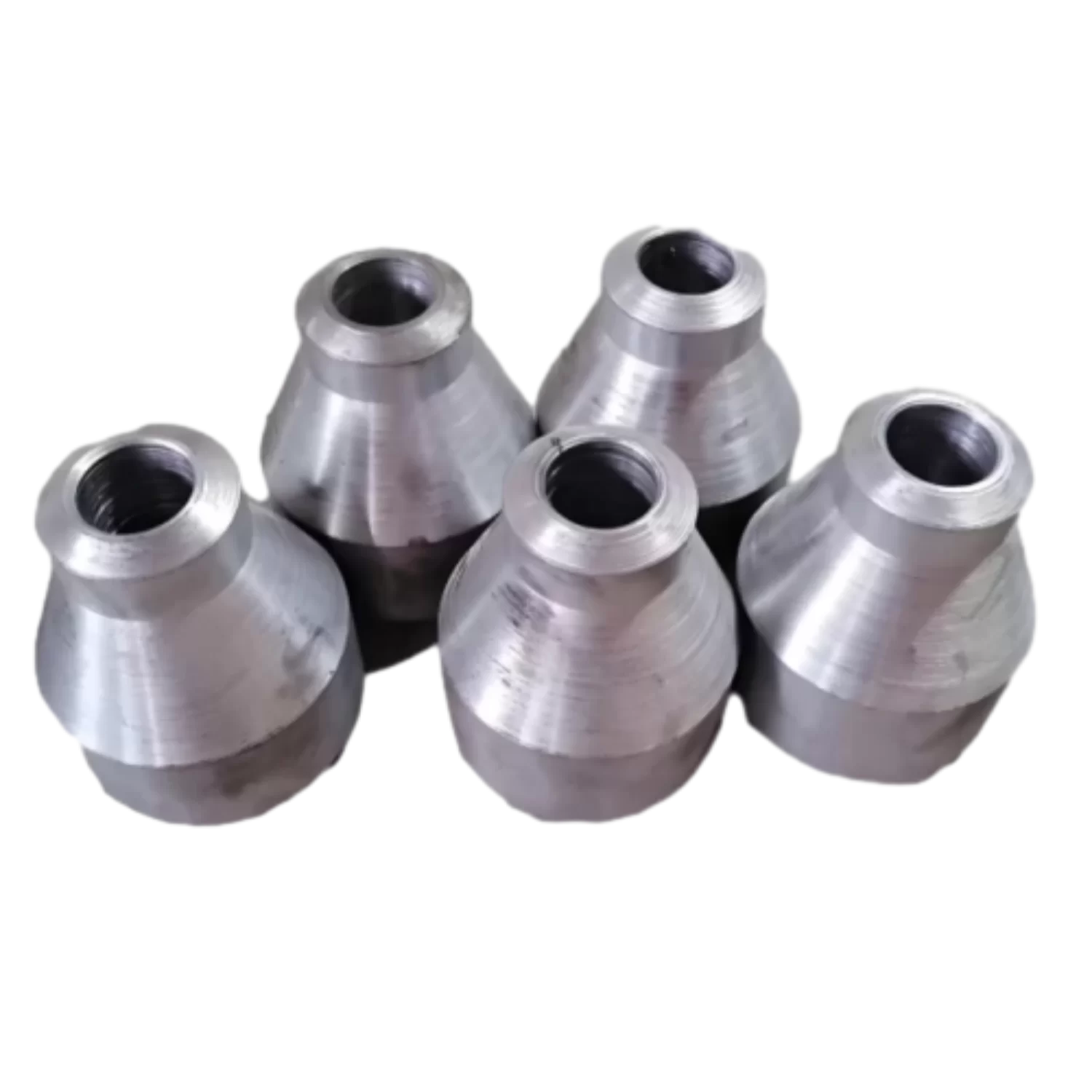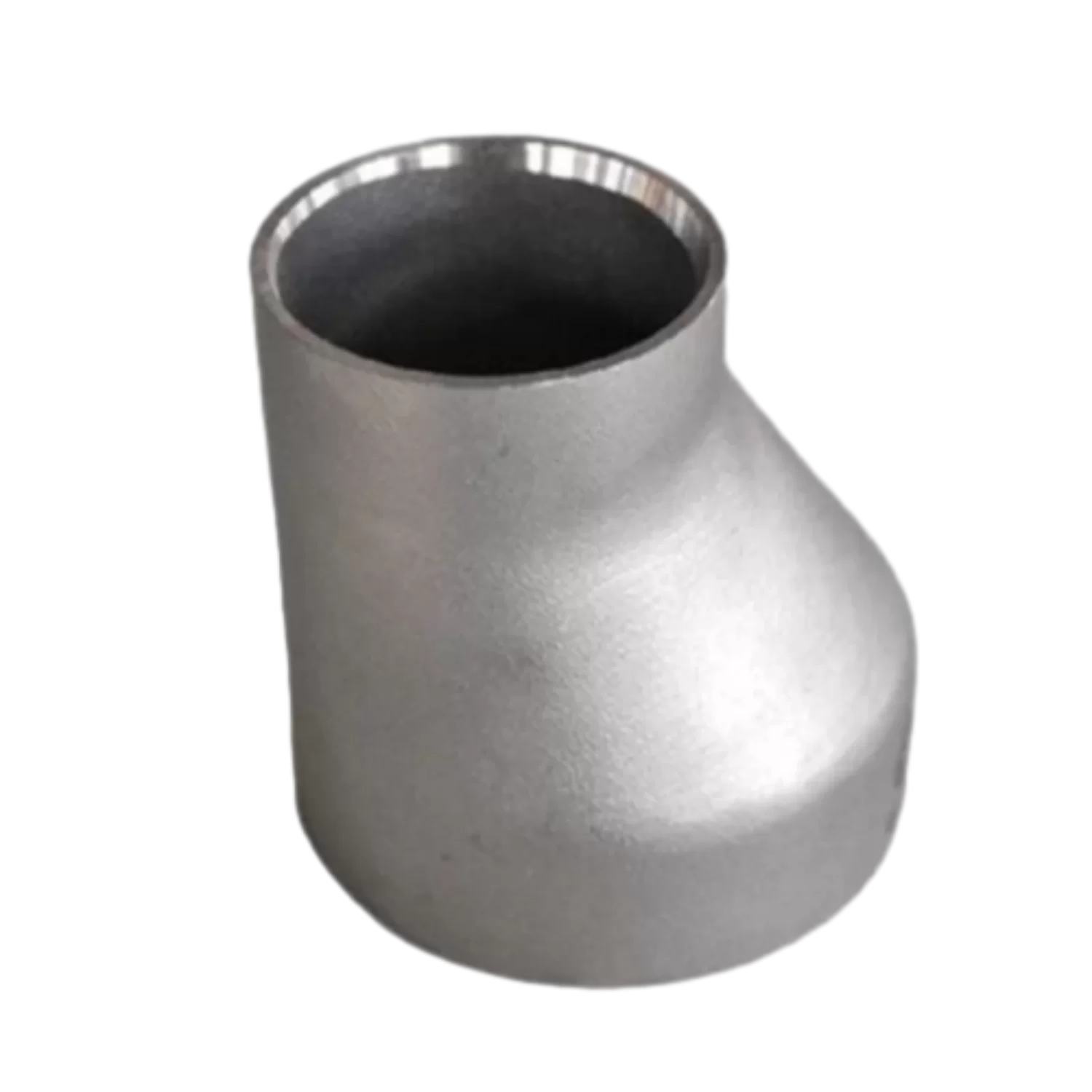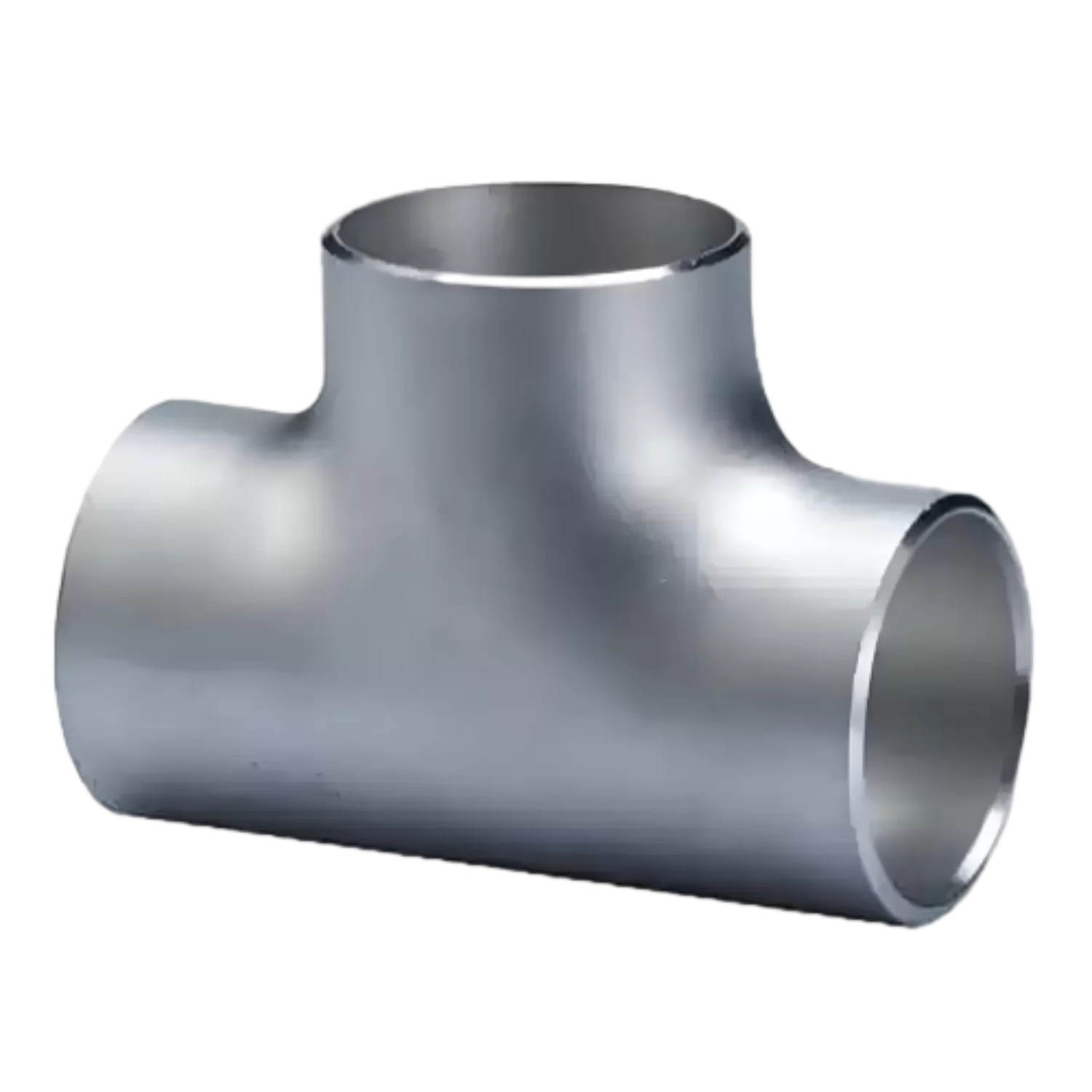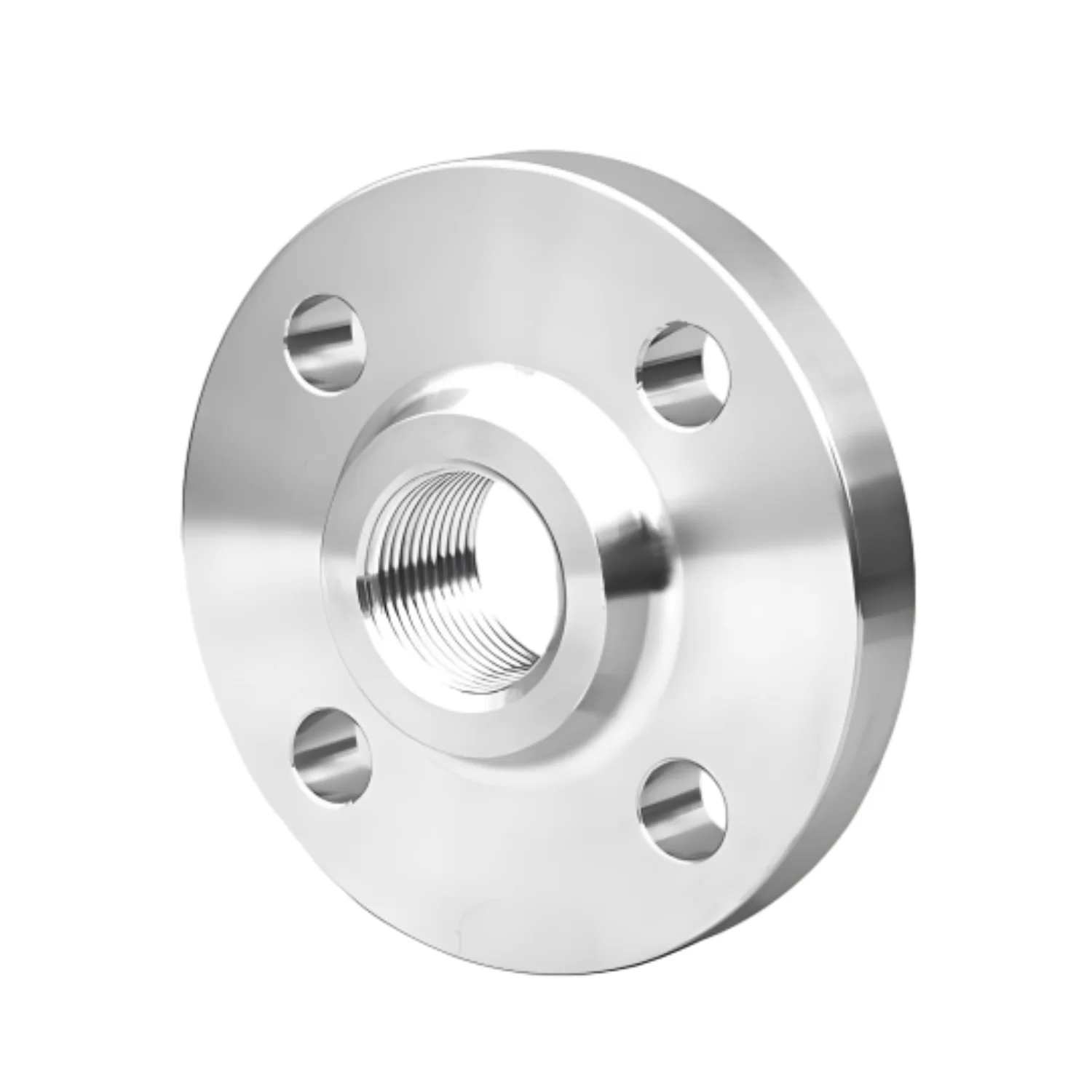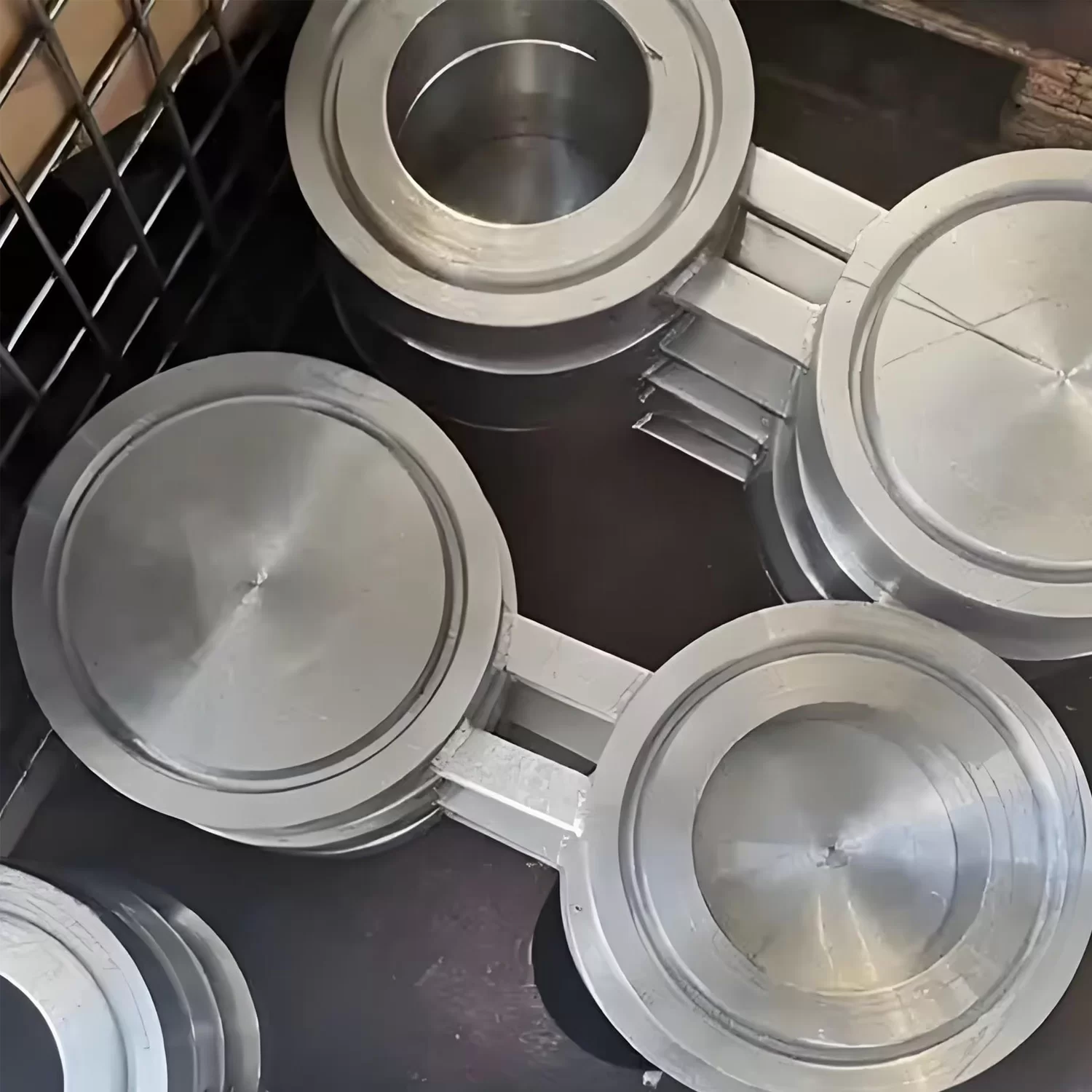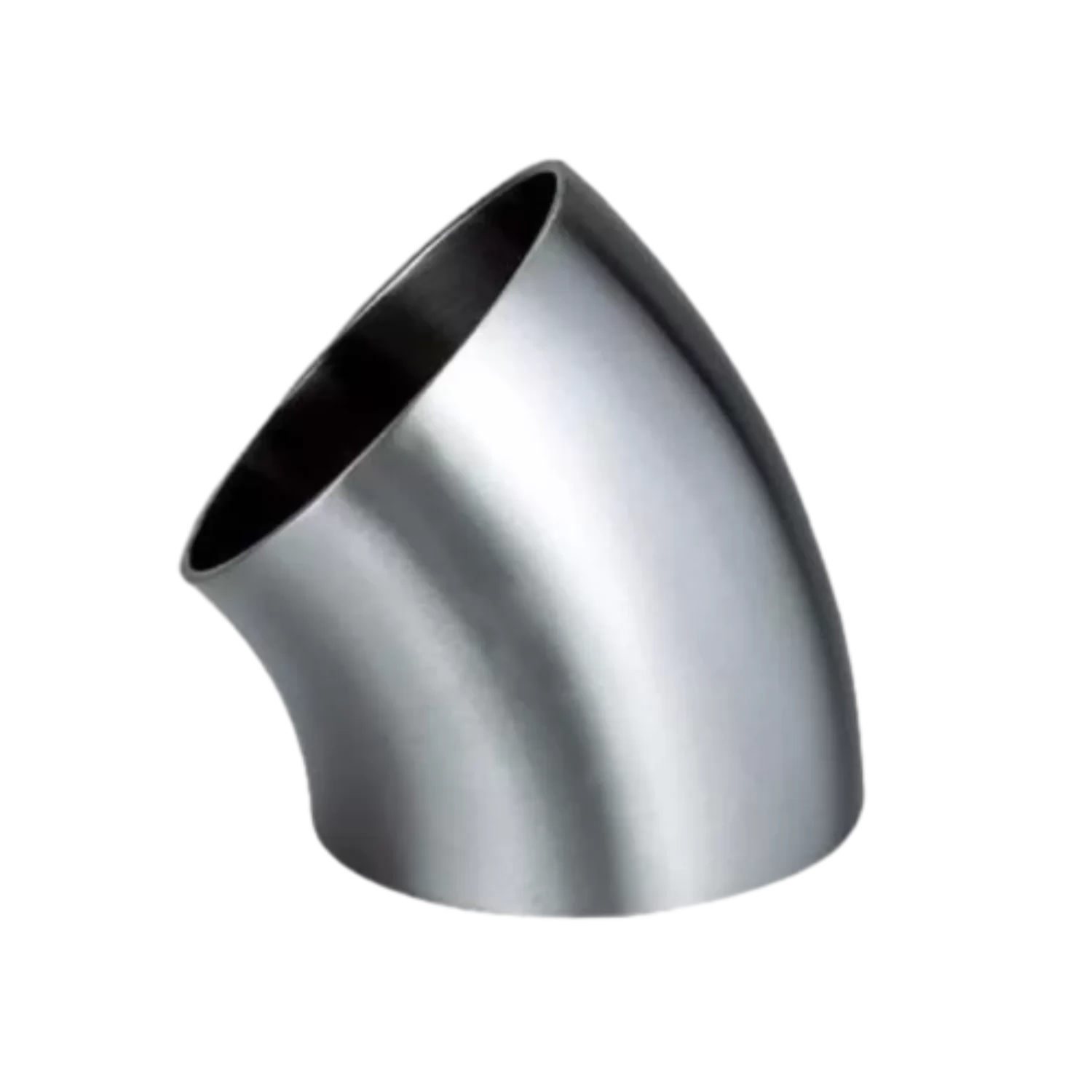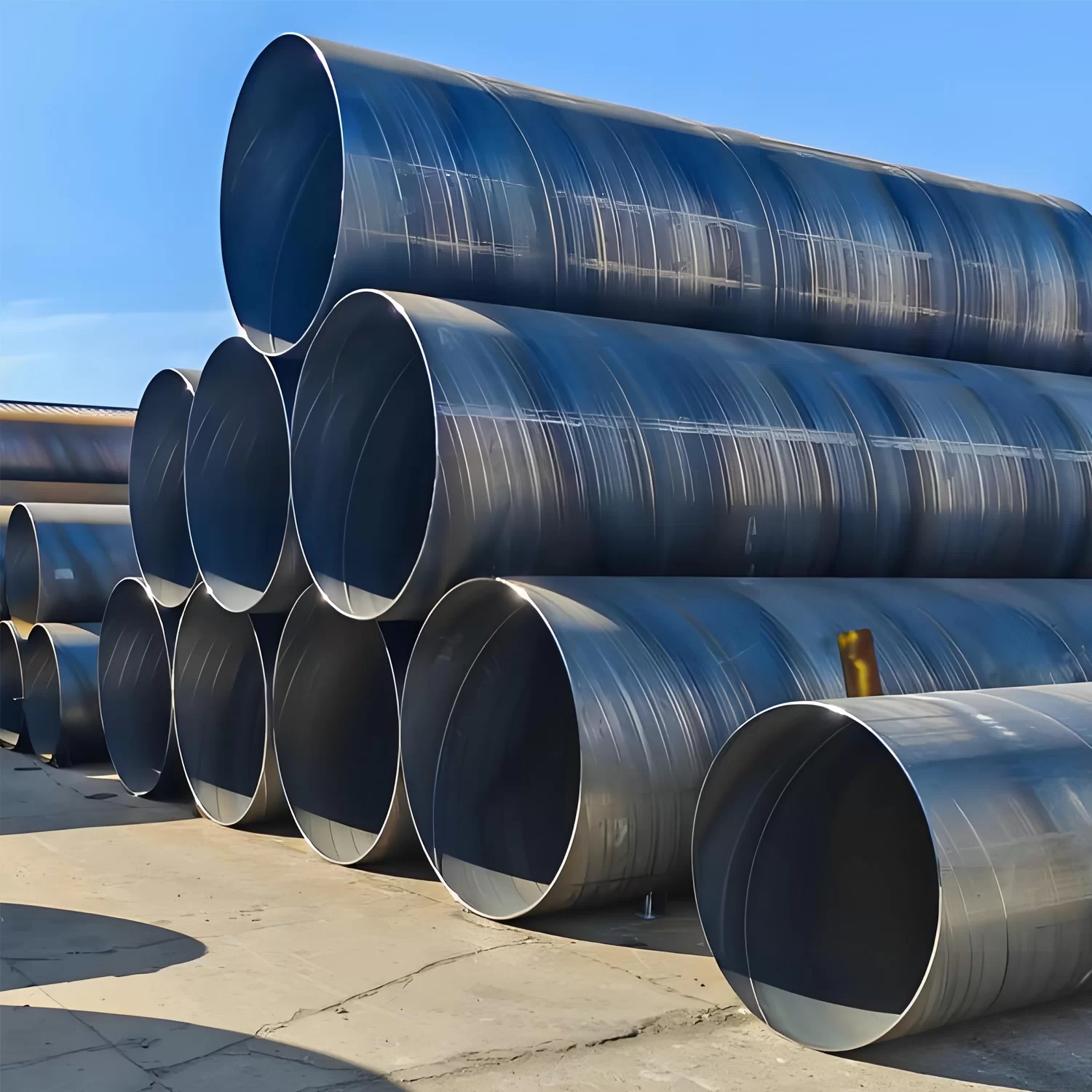
Stainless steel pipe reducers play a crucial role in modern industrial piping systems, especially where fluid flow needs to be controlled or adjusted between different pipe diameters. Widely used across industries such as oil and gas, chemical processing, food production, and water treatment, these components are essential for ensuring efficiency, durability, and safety.
A pipe reducer is typically used to connect two pipes of different diameters, allowing for a smooth transition of flow. Stainless steel, particularly grades like 304 and 316, is highly preferred due to its excellent corrosion resistance, high strength, and long service life. This makes stainless steel pipe reducers ideal for handling aggressive chemicals, high-pressure systems, and extreme temperature environments.
There are two main types of reducers: concentric and eccentric. Concentric reducers are commonly used in vertical piping systems where symmetry is important, while eccentric reducers are preferred in horizontal systems to prevent air accumulation or fluid stagnation. Choosing the correct type is critical for maintaining optimal flow dynamics and avoiding operational issues.
In industrial applications, precision manufacturing is key. High-quality stainless steel pipe reducers are produced using advanced processes such as seamless forging or welding, followed by strict quality control procedures including dimensional inspection, pressure testing, and non-destructive testing. Compliance with international standards like ASTM, ASME, and ANSI further ensures reliability.
As industries continue to prioritize efficiency and sustainability, the demand for durable and low-maintenance piping components is growing. Stainless steel pipe reducers not only reduce the risk of leaks and system failures but also contribute to long-term cost savings by minimizing maintenance requirements. For buyers, selecting a trusted supplier with proven expertise and certifications is essential to ensure product quality and performance.
When selecting the right pipe reducer for industrial applications, understanding the differences between carbon steel pipe reducers and alloy steel reducers is essential. Both materials offer unique advantages, and choosing the right one depends on factors such as operating conditions, budget, and performance requirements.
Carbon steel pipe reducers are widely used due to their cost-effectiveness and good mechanical properties. They are suitable for general-purpose applications, including water supply systems, oil pipelines, and structural uses. Carbon steel offers high strength and can withstand moderate pressure and temperature conditions. However, it is more susceptible to corrosion compared to other materials, which means it often requires protective coatings or surface treatments such as galvanization or painting.
On the other hand, alloy steel reducers are specifically designed to perform under more demanding conditions. By adding elements such as chromium, molybdenum, or nickel, alloy steel gains enhanced properties such as higher strength, improved corrosion resistance, and better performance at elevated temperatures. This makes alloy steel pipe reducers ideal for applications in power plants, petrochemical facilities, and high-temperature processing systems.
Another important factor to consider is lifecycle cost. While alloy steel reducers typically have a higher upfront cost, their durability and resistance to wear and corrosion can lead to lower maintenance and replacement expenses over time. In contrast, carbon steel reducers may require more frequent inspections and maintenance, especially in harsh environments.
From a manufacturing perspective, both types can be produced in seamless or welded forms, depending on the application requirements. Standards such as ASTM A234 for carbon steel and ASTM A182 for alloy steel ensure consistent quality and performance.
Ultimately, the choice between carbon steel and alloy steel pipe reducers should be based on a comprehensive evaluation of the operating environment, budget constraints, and long-term performance expectations. Consulting with experienced manufacturers or engineers can help ensure the best selection for your specific project.
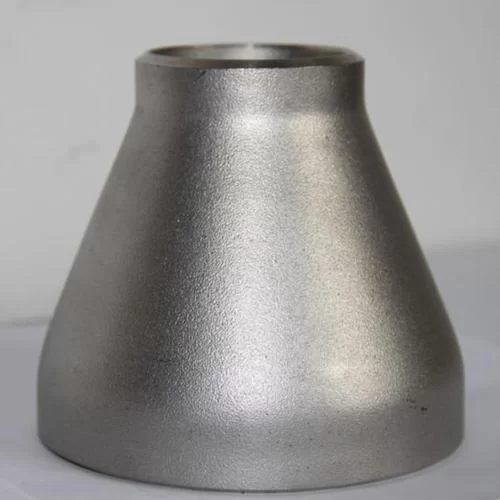
In piping system design, choosing between a concentric pipe reducer and an eccentric pipe reducer is a critical decision that can significantly impact system performance and efficiency. Both types serve the same fundamental purpose—connecting pipes of different diameters—but their design and application differ in important ways.
A concentric pipe reducer is symmetrical in shape, with both ends aligned along the same centerline. This type is typically used in vertical piping systems or where the flow direction is upward or downward. The symmetrical design allows for a smooth and uniform flow transition, minimizing turbulence and pressure loss. Concentric reducers are commonly found in systems handling liquids, gases, or steam where alignment is not a concern.
In contrast, an eccentric pipe reducer has one side that is flat, resulting in an offset centerline. This design is particularly useful in horizontal piping systems. The flat side can be installed either on the top (flat on top) or bottom (flat on bottom), depending on the application. For example, in liquid systems, installing the reducer flat on bottom helps prevent the accumulation of air pockets, while in gas systems, a flat-on-top installation avoids liquid pooling.
Improper selection or installation of reducers can lead to issues such as cavitation, vibration, and uneven flow distribution. Therefore, understanding the fluid characteristics, flow direction, and system layout is essential when choosing the right reducer type.
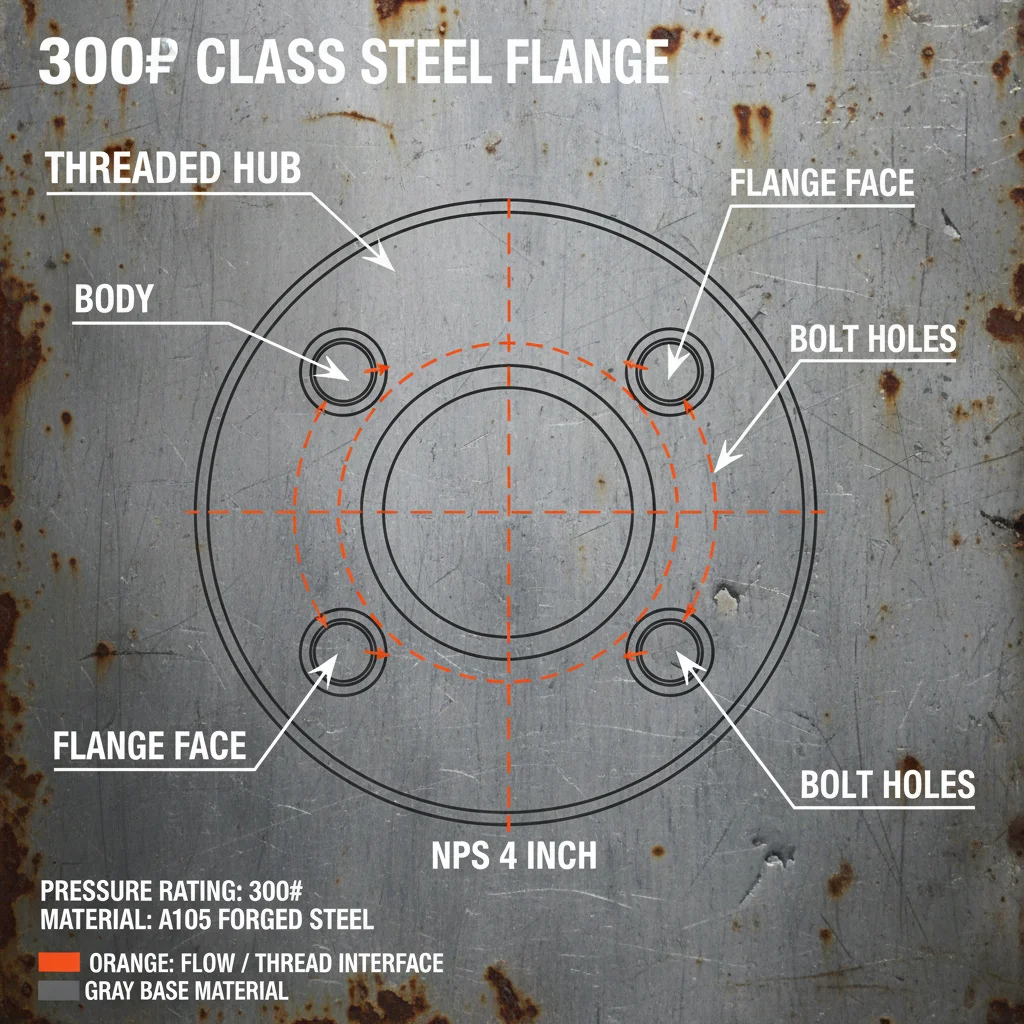
Mar 30,26
The Essential Guide to 300 Threaded Flange Selection and Reliable Performance
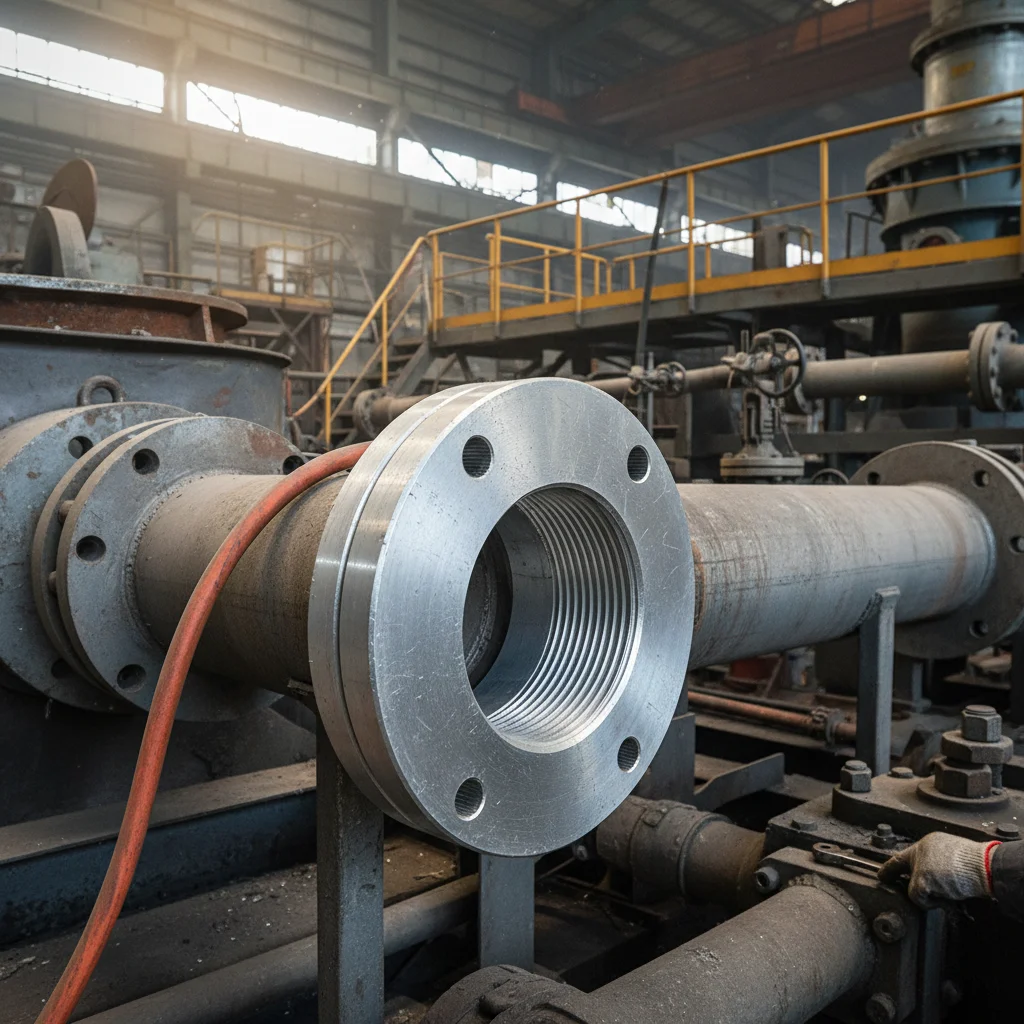
Apr 08,26
High Performance Aluminum Threaded Flange Solutions for Industrial Piping Systems
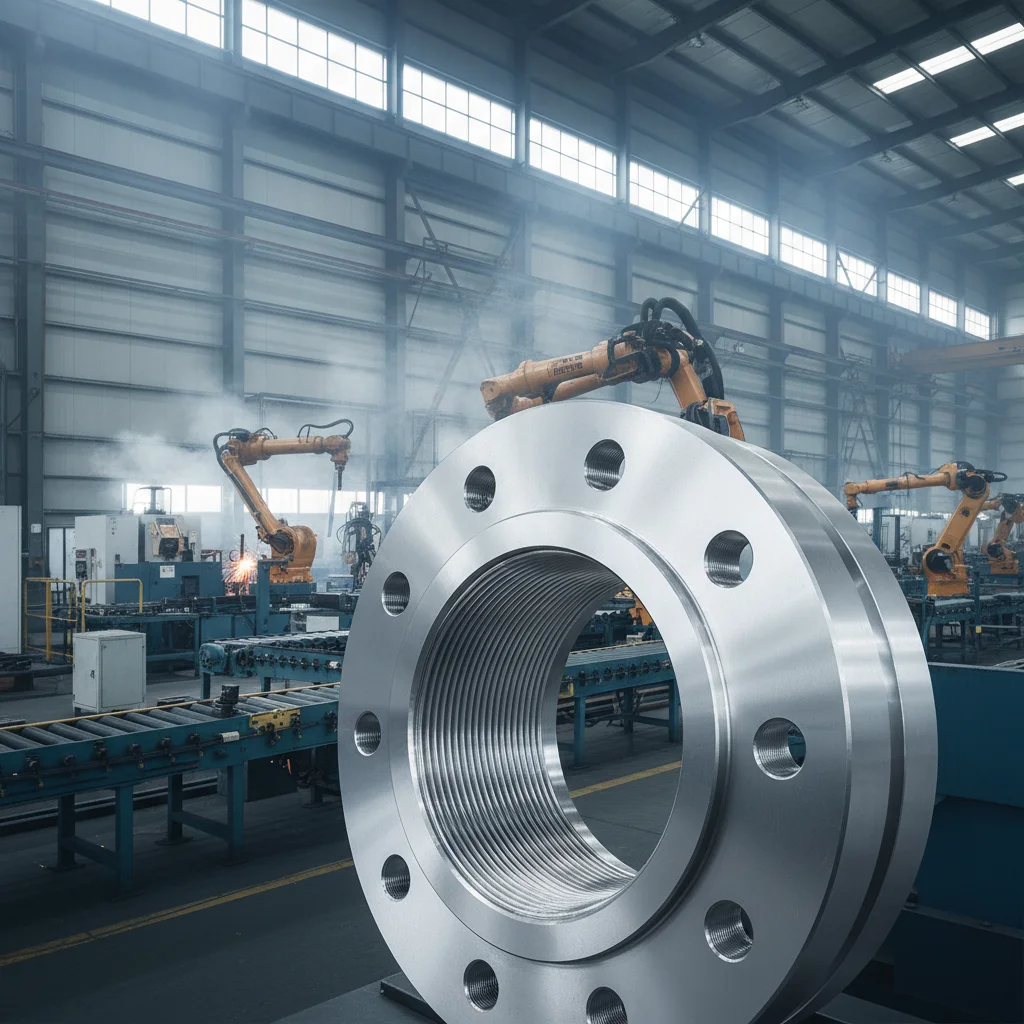
Apr 16,26
Aluminum Threaded Flange Applications and Industrial Benefits
Apr 17,26
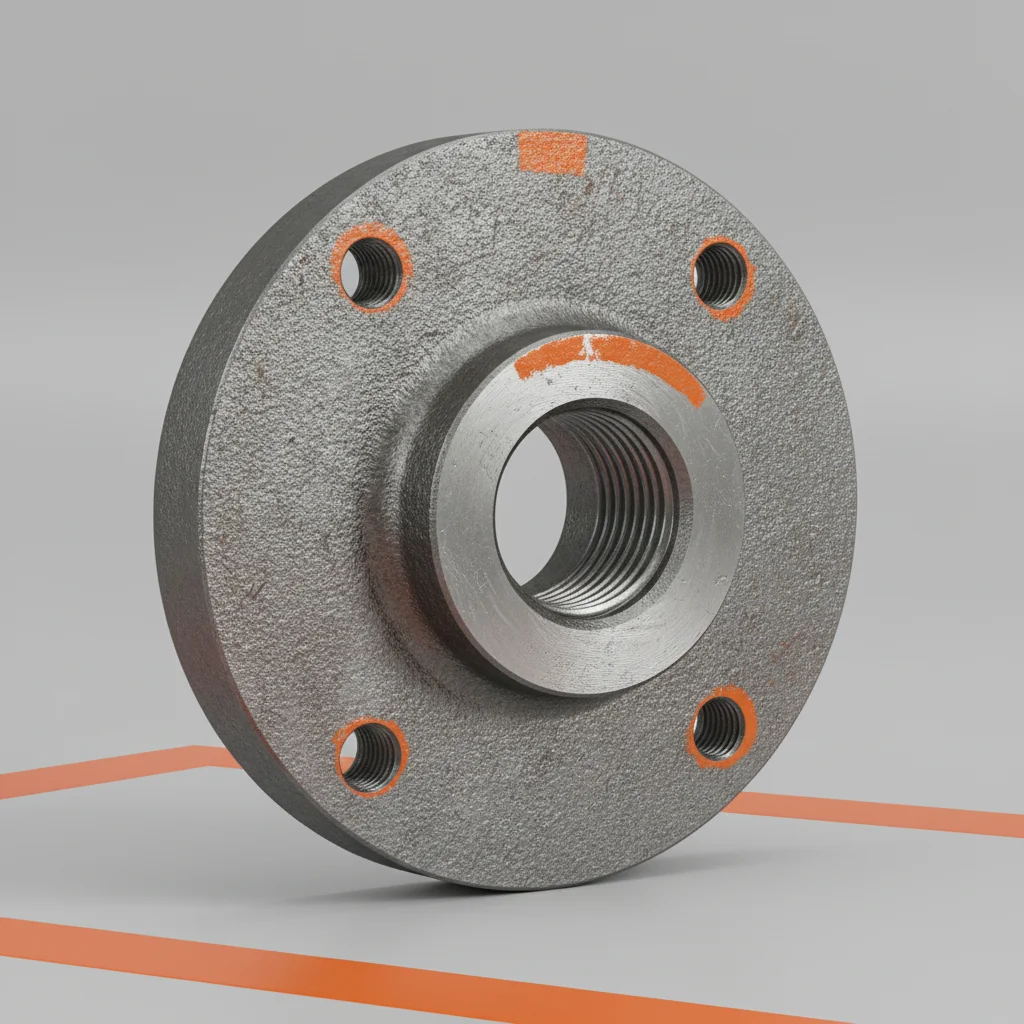
Industrial Blind Flange with Threaded Hole for Piping Systems
Apr 06,26
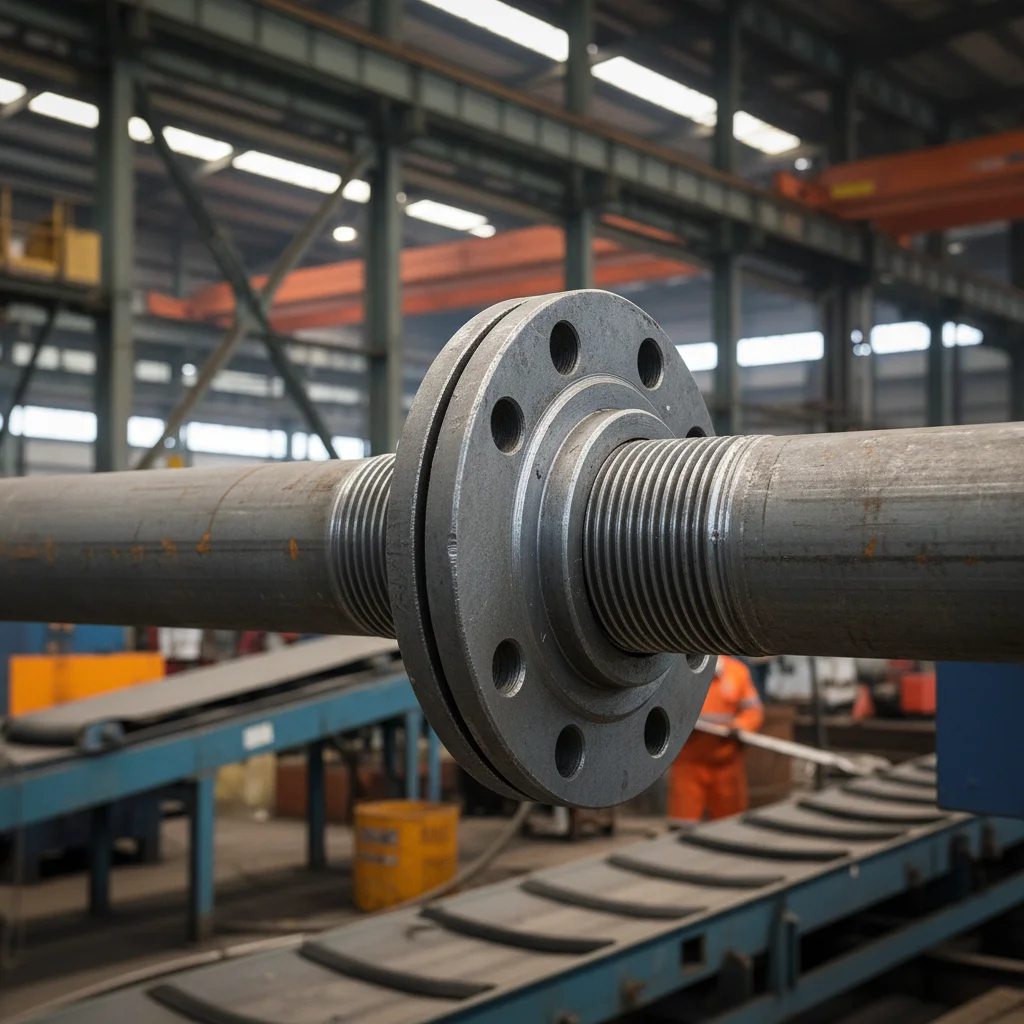
Understanding the Critical Role of the 6 inch Threaded Flange in Industrial Applications
Dec 02,25
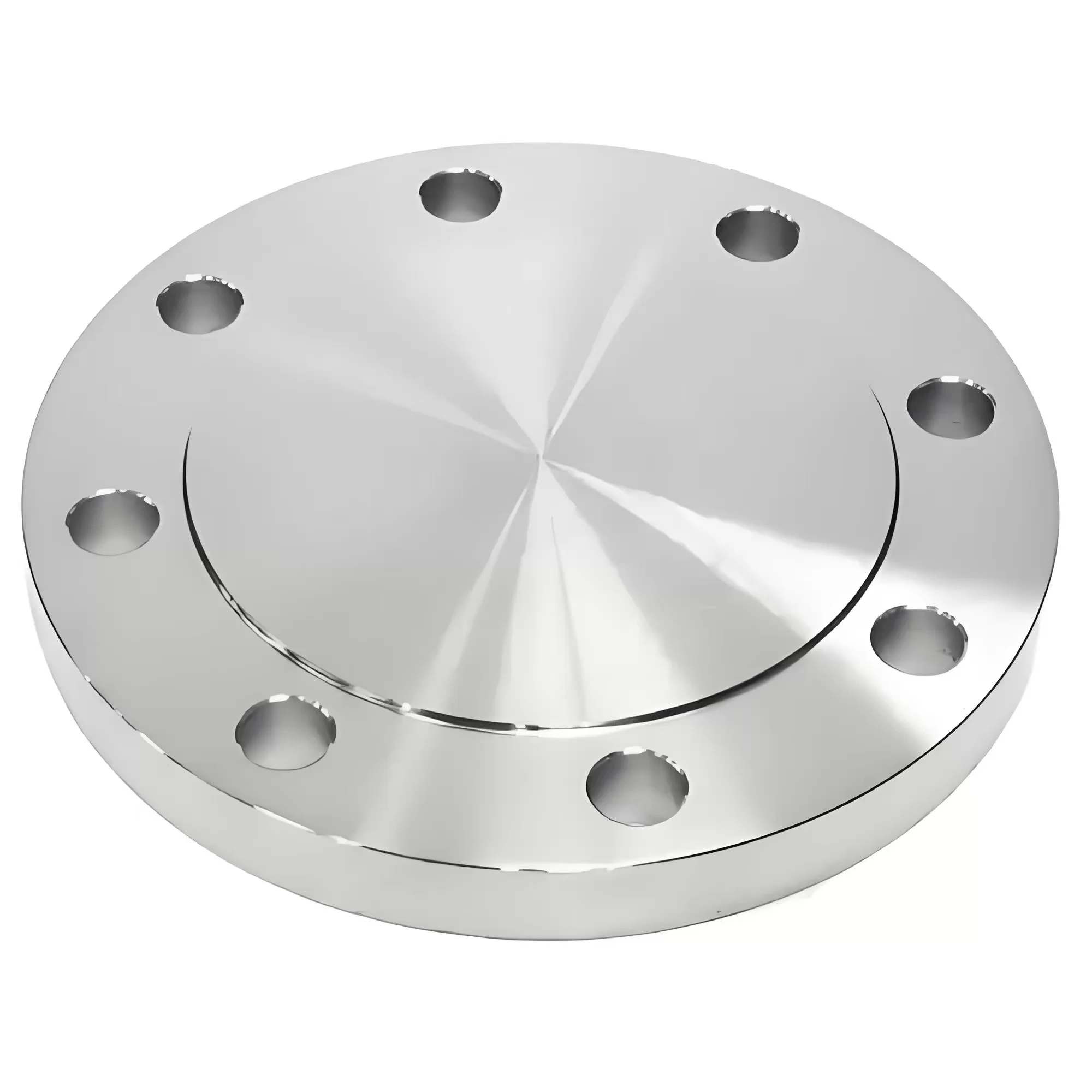
Corrosion-Resistant Flanges For Chemical And Marine Industries
Flanges are indispensable components in piping systems, serving as the critical junctions that allow for connections, maintenance, and isolation of flow.
SUBSCRIBE NEWSLETTER